
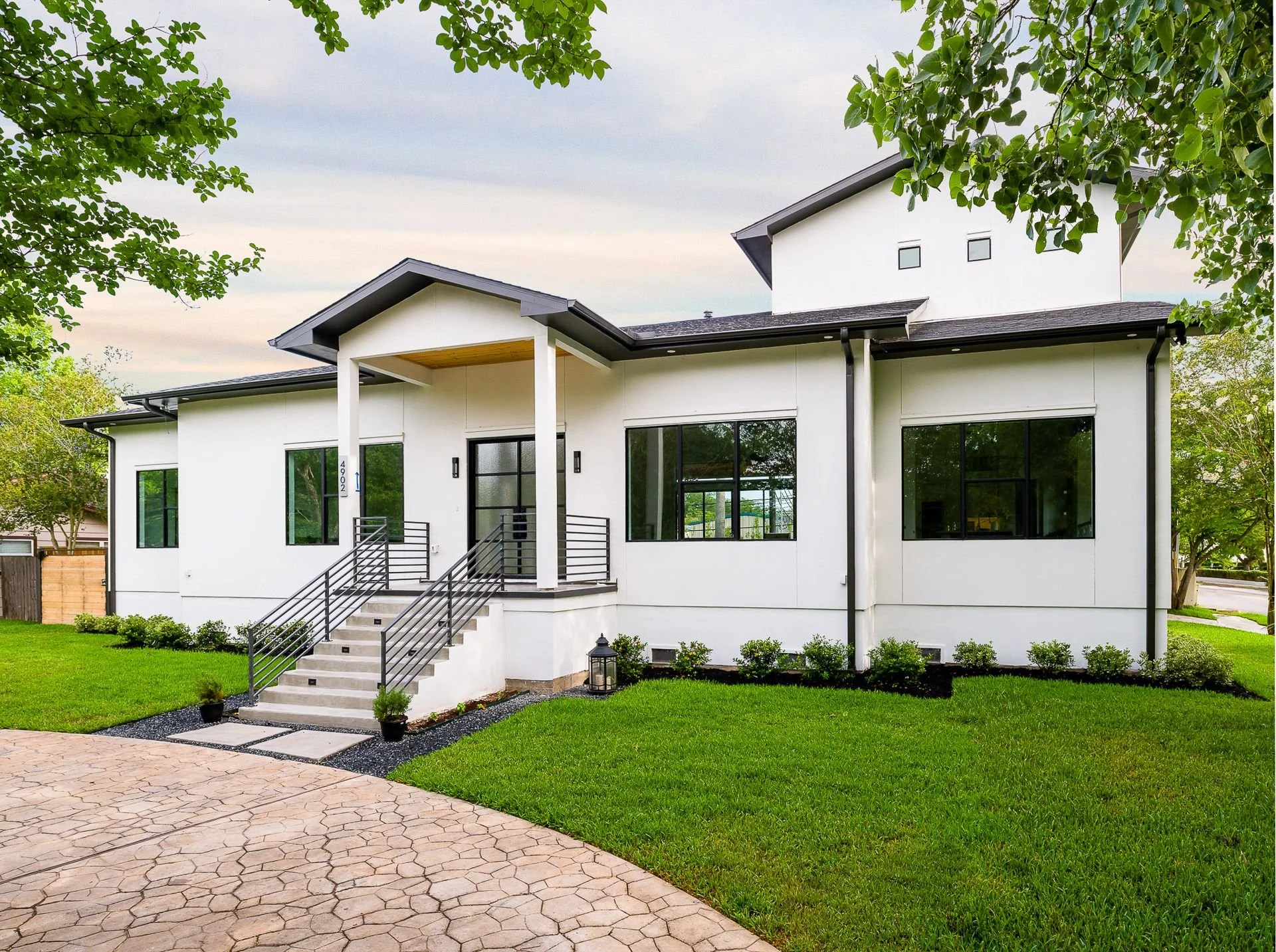
When homeowners start planning a new build or exterior renovation, one of the first and most important questions is what material to use for the exterior of the home.
In this blog, we take a closer look at stucco vs. siding, two of the most popular exterior finishes used in residential construction today. Both options are widely used, both can look beautiful, and both can perform well or fail depending on how they are designed and installed.
Over the years, we’ve repaired both stucco and siding failures, and what we’ve learned is simple. Problems are rarely caused by the material itself. In most cases, issues come down to installation quality, proper detailing, and how the exterior system is integrated into the home.
Understanding Stucco
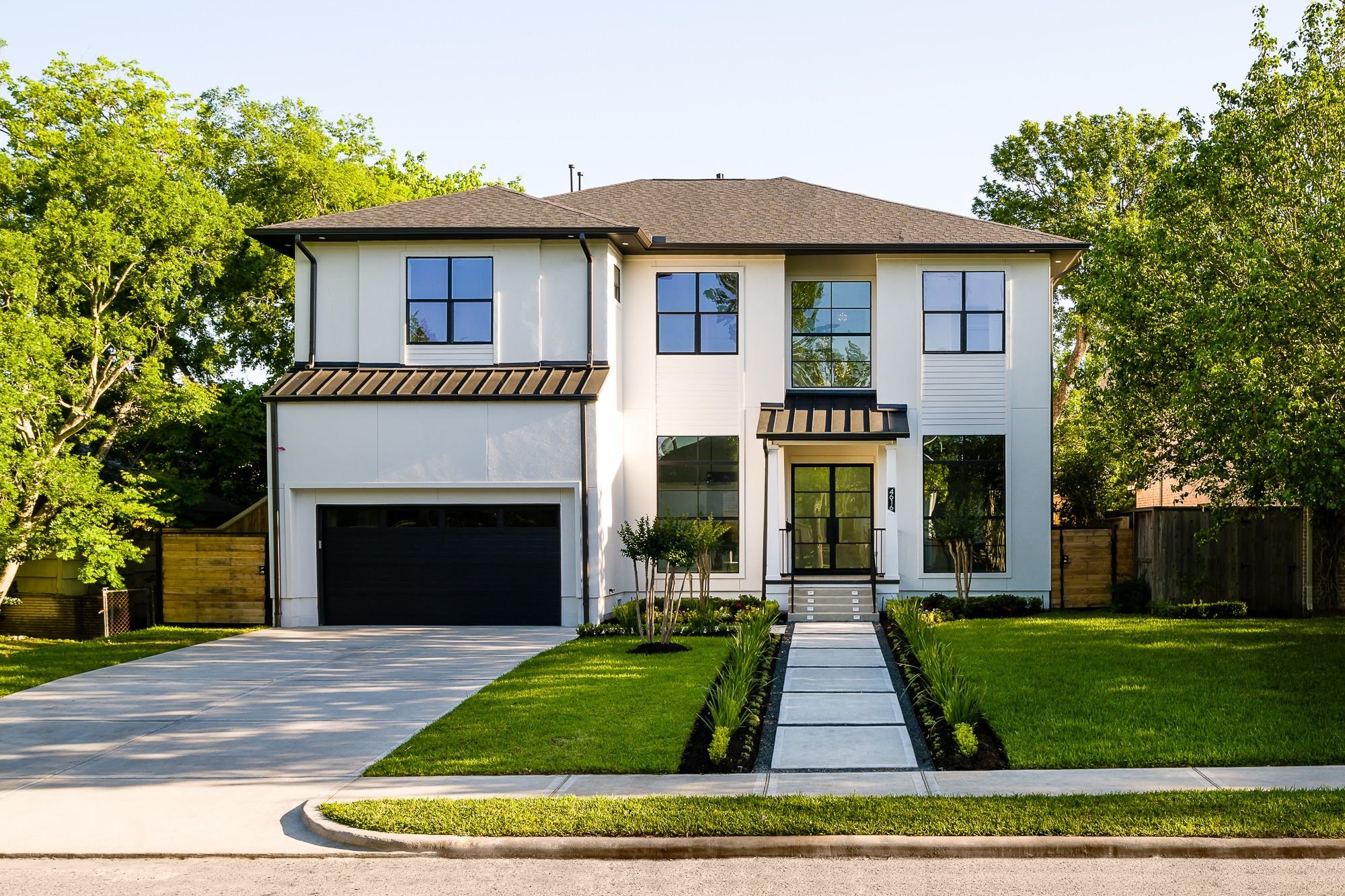
Stucco is a cement-based exterior finish that creates a seamless, solid appearance. It’s commonly used in Mediterranean, modern, and contemporary architecture and is often associated with higher-end homes.
When properly detailed and installed, stucco performs very well and can last for decades. Its success depends heavily on moisture management, flashing, and how it is integrated into the building envelope.
Stucco has developed a bad reputation in some circles, but that reputation usually comes from poor installation—not from the material itself.

Understanding Siding
“Siding” is a broad category that includes fiber cement, engineered wood, and vinyl products. In higher-end residential construction, fiber cement siding is the most common choice.
Siding offers design flexibility and can be a good option when installed correctly. While siding can also fail if detailing is poor, it is generally more forgiving than stucco, especially when it comes to minor installation errors and moisture intrusion, which often develop more gradually over time.
Why Stucco Gets a Bad Reputation
Stucco gets a bad reputation largely because it is far less forgiving when installation details are missed. Most stucco failures we encounter are tied to issues such as improper flashing at windows and doors, missing or incorrect weep screeds, poorly designed drainage planes, or incorrect transitions between materials. When stucco is installed without proper moisture management, water has nowhere to escape—and problems tend to show up quickly.
That said, we’ve also repaired many siding failures caused by missing flashing, improper clearances, or poor integration with windows and rooflines. The key difference is timing: badly installed siding often reveals problems later and more gradually, while badly installed stucco tends to fail faster and more visibly.
Climate and Moisture Considerations
Stucco is most commonly used in warm climates with higher rainfall and humidity, where homes are regularly exposed to moisture, heat, and intense weather cycles. When designed correctly, stucco performs very well in these environments—but only when moisture management is treated as a priority.
In climates with frequent rain or high humidity, the exterior system must be designed to manage water, not just resist it.
That means proper drainage planes, flashing, weep screeds, and clear paths for moisture to exit the wall assembly. When those details are handled correctly, stucco can be a durable and long‑lasting exterior finish.
Siding systems are also affected by climate and moisture exposure, but they tend to tolerate minor installation errors more easily. In either case, understanding local climate conditions and designing the exterior envelope accordingly is essential to long‑term performance.
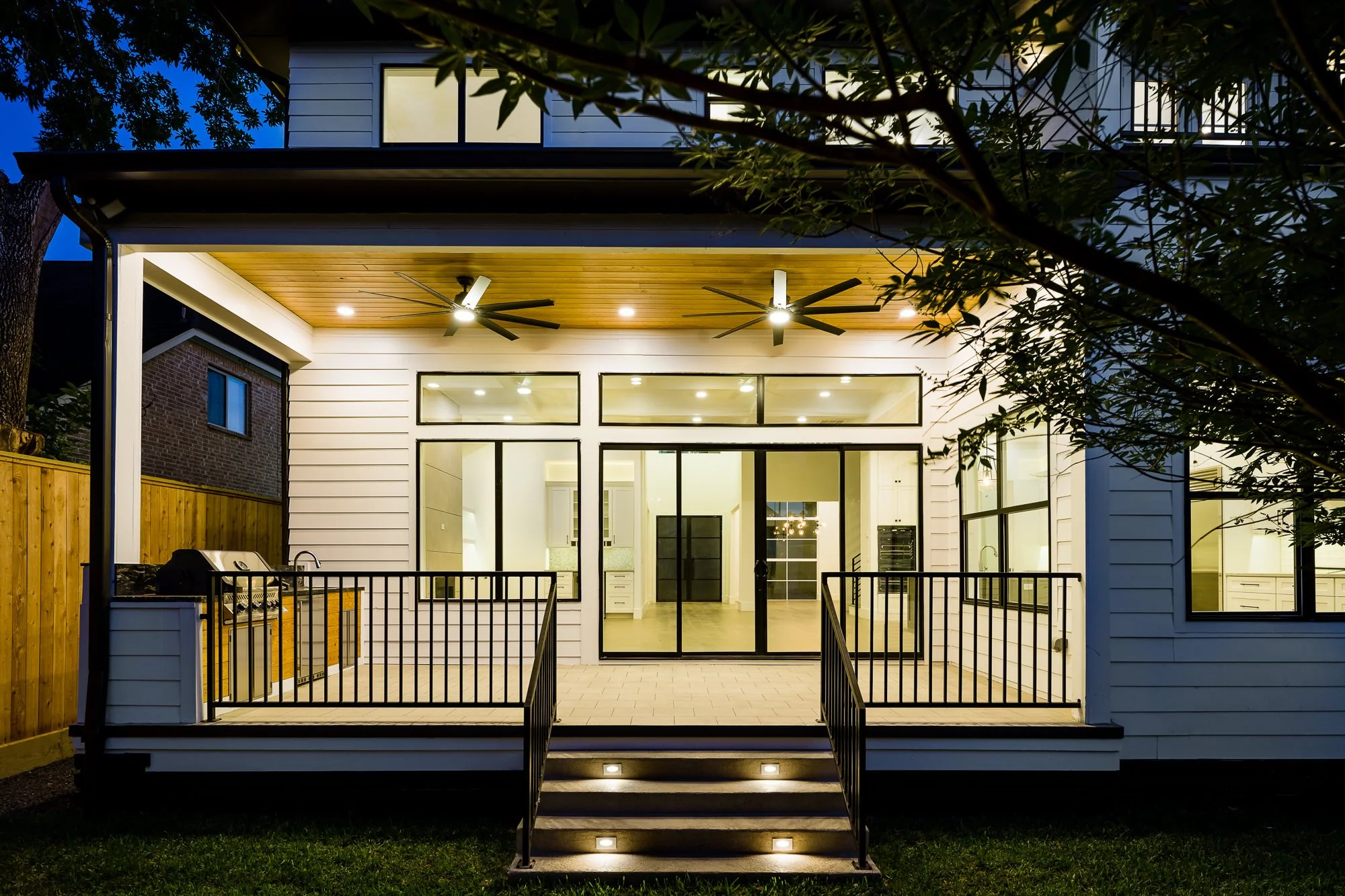
Building an open-air extension in a flood zone? Here’s what to expect
The Real Rule: Installation Matters More Than Material
From years of field experience, one principle stands out:
A well-installed stucco system will outperform poorly installed siding every time.
If budget allows, stucco can be an excellent choice—but only when paired with:
Proper detailing
Proven assemblies
An experienced stucco subcontractor
Cutting corners on stucco installation is rarely worth the risk.
When Design, HOA, or City Rules Dictate the Exterior Finish
In many cases, homeowners don’t have complete freedom when choosing exterior materials. The final decision is often guided—or restricted—by architectural style, HOA guidelines, and sometimes city or municipal requirements.
Certain home styles, such as Mediterranean, Spanish Revival, modern, or clean-lined transitional designs, are visually tied to masonry finishes like stucco. In these cases, using siding can look out of place and compromise the overall design intent.
At the same time, many HOAs—and some cities through zoning, design overlays, or local code amendments—require a minimum amount of masonry on the home. In some neighborhoods, this can mean:
70% or more masonry coverage overall
70–100% masonry on the front elevation
Limited or no siding on street-facing sides
HOAs and municipalities typically count materials like brick, stone (natural or manufactured), and—in many communities—stucco as masonry. Siding materials such as fiber cement, engineered wood, or vinyl may be restricted to secondary elevations or may not count toward the required percentage at all.
When design style or HOA and city rules dictate the use of stucco or masonry, the solution isn’t to fight the material—it’s to execute it correctly. That can mean investing in the best possible installation, or thoughtfully mixing finishes by keeping masonry or stucco on the front elevation for curb appeal and using siding on rear or side elevations where allowed.
The key is understanding all applicable requirements early and designing around them intentionally, so performance, aesthetics, and compliance all work together.

Where to Find Inspiration for Your Next Project
Budget, Risk, and Long-Term Performance
Budget, risk, and long-term performance should always be part of the decision. Stucco typically comes with a higher upfront cost, while siding can offer more flexibility for future repairs. That said, poor installation of either material leads to long-term issues and added expense. When the budget allows, stucco can be an excellent investment—but only when paired with proper detailing and a highly qualified subcontractor. Cutting corners on installation often results in repairs that cost far more than doing it right the first time.
Final Thoughts
Choosing between stucco and siding isn’t just about personal preference or trends—it’s about performance, detailing, and experience, while also accounting for architectural design, HOA guidelines, and local city requirements.
Both materials can succeed. Both can fail. The difference is thoughtful planning, proper detailing, and quality installation—especially when exterior choices are influenced by factors beyond the homeowner’s control.
Before committing to an exterior material, it’s worth evaluating:
Architectural style and design intent
HOA and municipal requirements
Climate and moisture exposure
Budget for proper installation
Long-term maintenance expectations
Taking this approach helps avoid surprises—and ensures your exterior not only looks right, but performs well for years to come.